
Relationships are complex at the best of times—but when one or both partners are neurodivergent, those dynamics can become even more layered. For some couples, a lesser-known profile within the autism spectrum—Pathological Demand Avoidance (PDA)—can significantly influence how connection, communication, and intimacy are experienced.
What Is Pathological Demand Avoidance (PDA)?
PDA is a profile of autism characterised by:
- An intense anxiety-driven need to resist demands (even everyday ones like “let’s cook dinner”).
- A strong drive for autonomy and control, often as a way to reduce overwhelming internal pressure.
- Use of social strategies to avoid compliance, such as distraction, withdrawal, or humour.
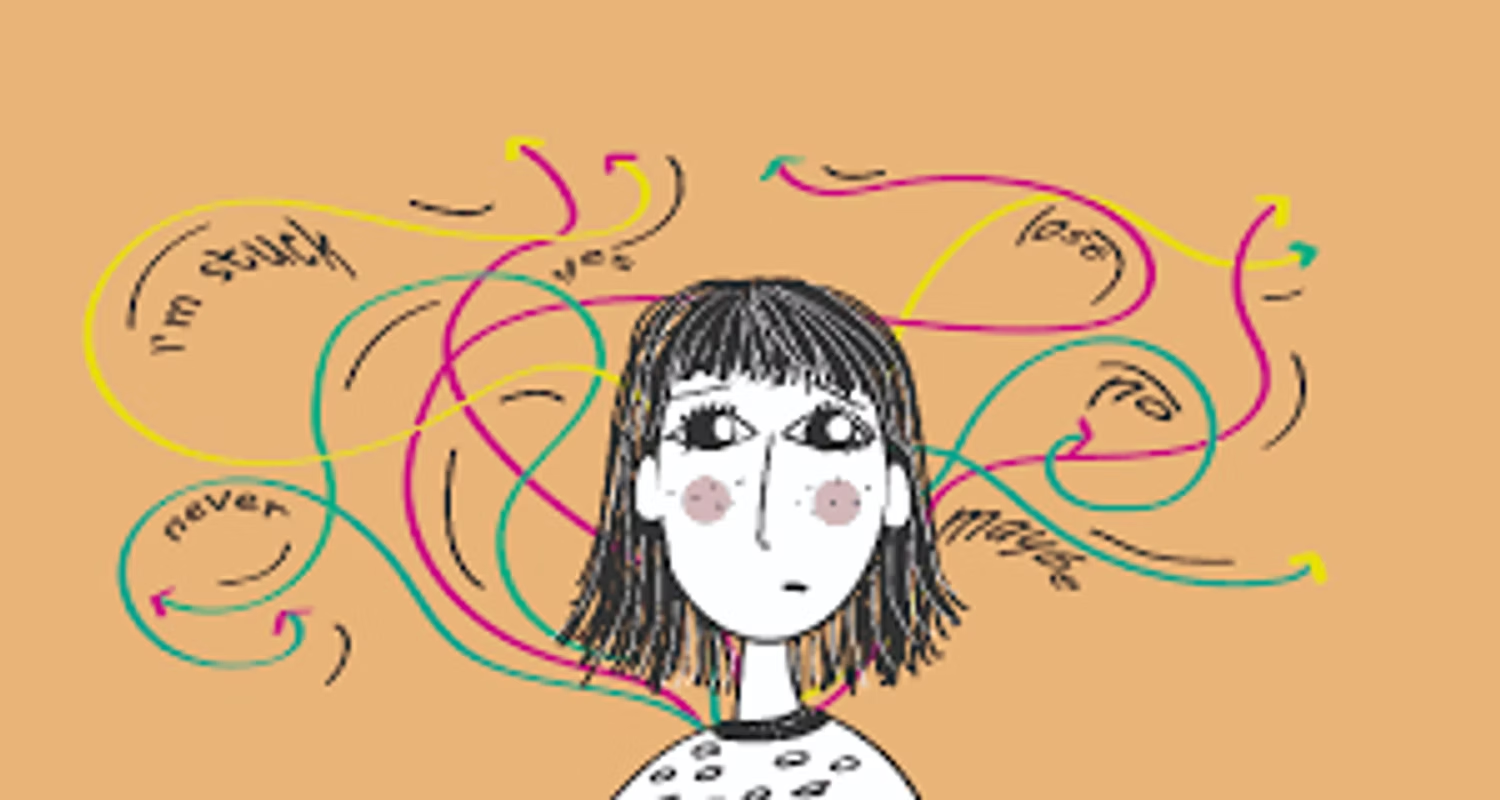
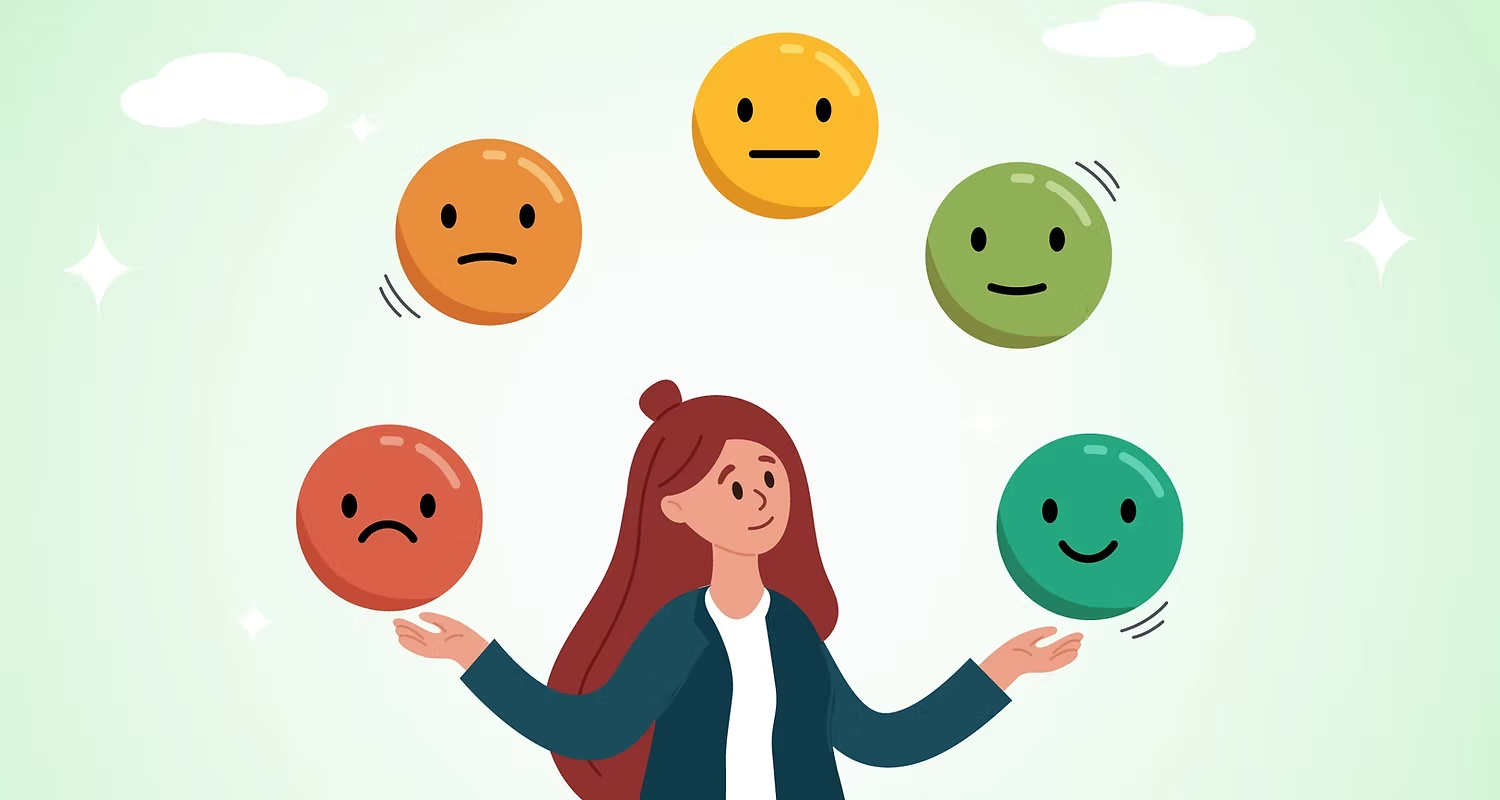
- Heightened emotional intensity and difficulty with sudden change.
For people with PDA, demands are not just requests—they can feel like threats to independence or triggers of anxiety. What may look like “defiance” is more accurately understood as a coping mechanism.
PDA in the Context of Couples
When PDA traits show up in intimate partnerships, they can create challenges such as:
- Misunderstandings: A request to “help with the dishes” might be met with avoidance, which can be misinterpreted as laziness or rejection.
- Power struggles: The PDA partner may feel suffocated by expectations, while the non-PDA partner feels neglected or unsupported.
- Emotional intensity: PDA often comes with heightened reactivity—arguments may escalate quickly, or one partner may withdraw to cope.
- Impact on intimacy: When daily interactions feel like demands, intimacy—whether emotional, physical, or sexual—can become fraught with pressure.
Yet, when recognised and navigated with care, PDA traits can also bring creativity, playfulness, and unique perspectives that enrich a relationship.
Supporting Neurodivergent Couples When PDA Is Present
1. Reframe Demands as Invitations
Shifting from directive language (“You need to take the bins out”) to collaborative, choice-based language (“Would you like to do the bins now or after dinner?”) can reduce avoidance triggers.
2. Honour Autonomy
Recognise that the PDA partner’s need for control is not about undermining the relationship, but about managing anxiety. Respecting autonomy can actually create more space for closeness.
3. Use Play and Creativity
PDA individuals often thrive in low-pressure, playful environments. Turning chores into games, using humour, or approaching intimacy with curiosity can foster connection without activating demand avoidance.
4. Develop Shared Understanding
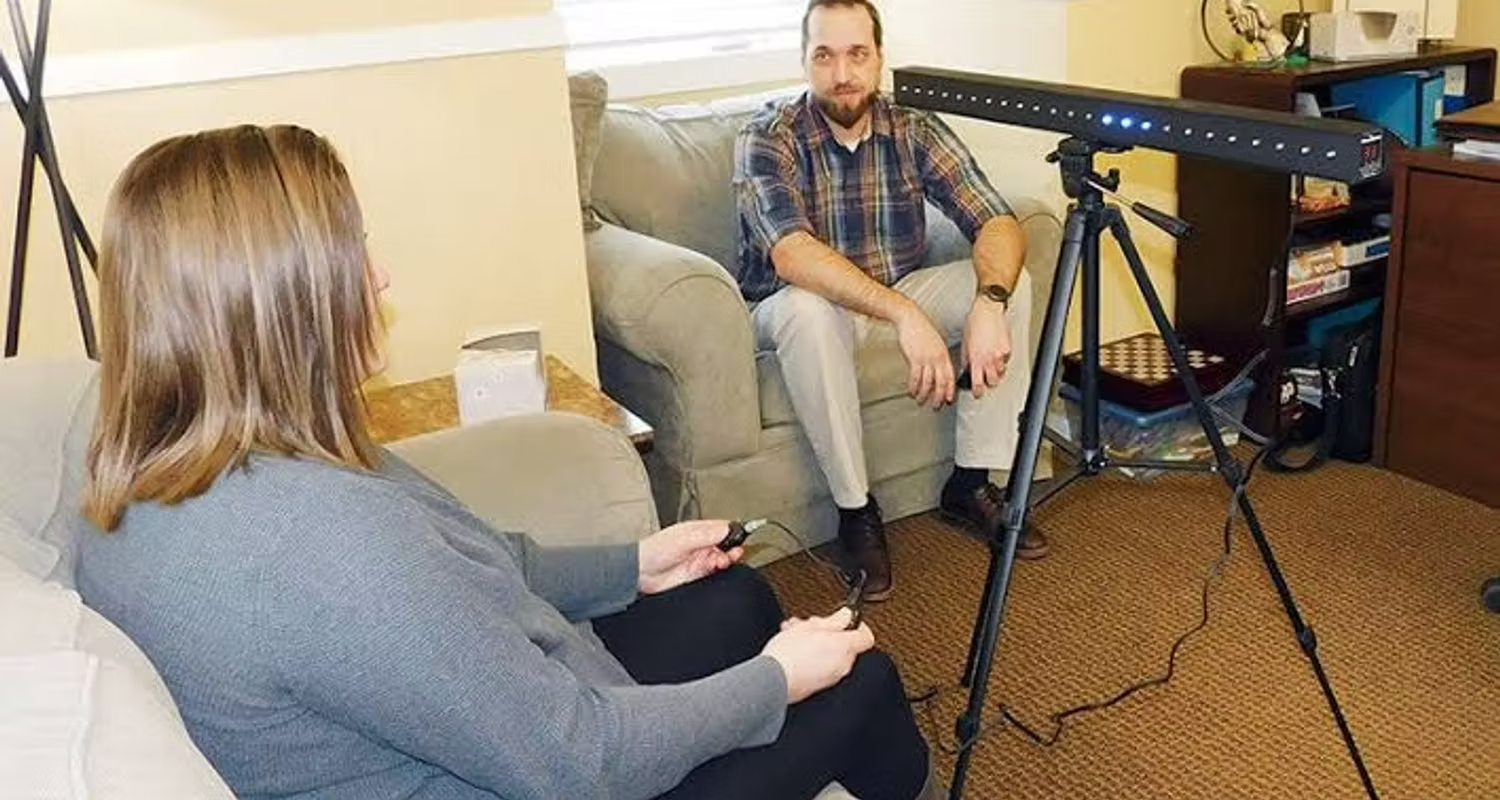
Both partners benefit when they have language for PDA dynamics. Psychoeducation—whether through therapy, reading, or workshops—can reduce blame and increase compassion.
5. Foster Flexibility in Expectations
Rigid roles or routines may backfire. Couples can experiment with fluid agreements, renegotiating tasks or boundaries in ways that work with, not against, neurodivergence.
Therapy Considerations
For counsellors, coaches, and therapists:
- Avoid framing PDA traits as deliberate opposition.
- Emphasise anxiety-management, self-compassion, and relational safety.
- Encourage neuroaffirming strategies, where both partners’ needs are validated and supported.
Approaches such as CBT adaptations, DBT skills, ACT, or couples frameworks like the Gottman Method can be tailored with a neurodivergent lens.
Final Thoughts
PDA in neurodivergent couples can be challenging, but it is not insurmountable. With the right awareness, strategies, and support, couples can learn to navigate demand avoidance with empathy, patience, and creativity. By shifting from blame to understanding, partners can build resilience—and rediscover joy in their shared connection.
If this has raised any issues for you, please feel free to get in touch. We offer a free 15-minute phone consultation, or if you would like to make an appointment for either a face to face or online counselling session whichever is convenient.