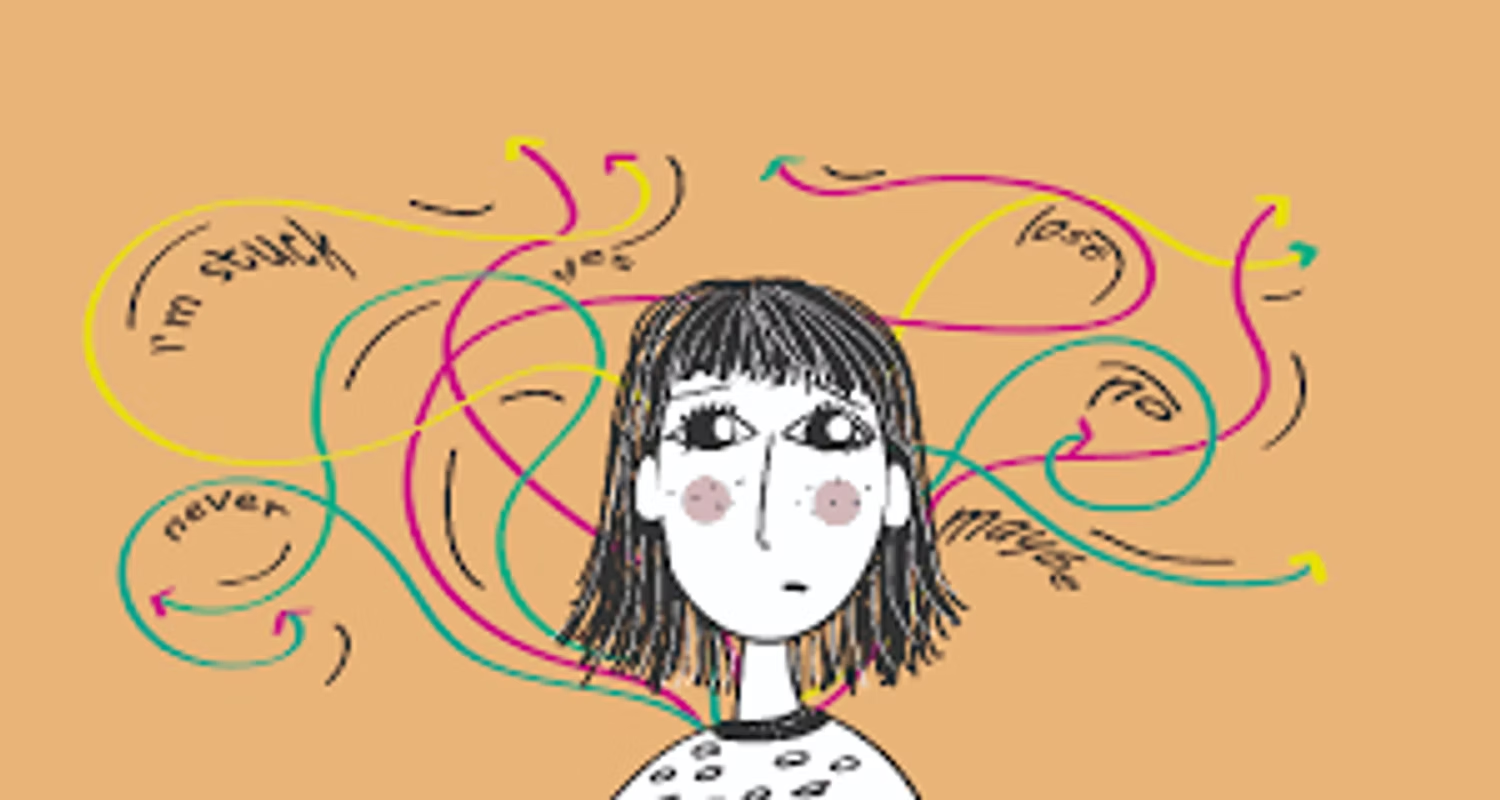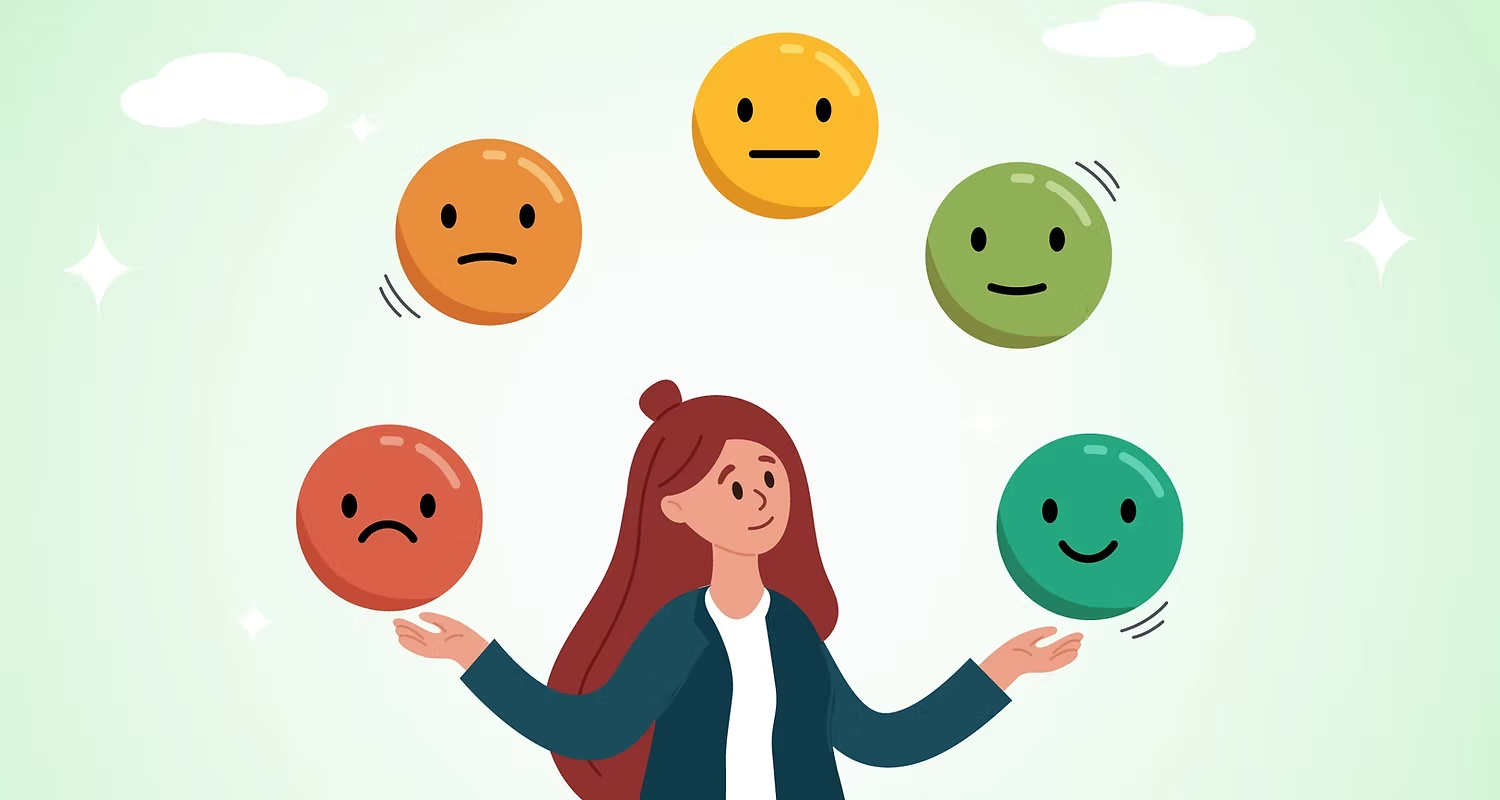
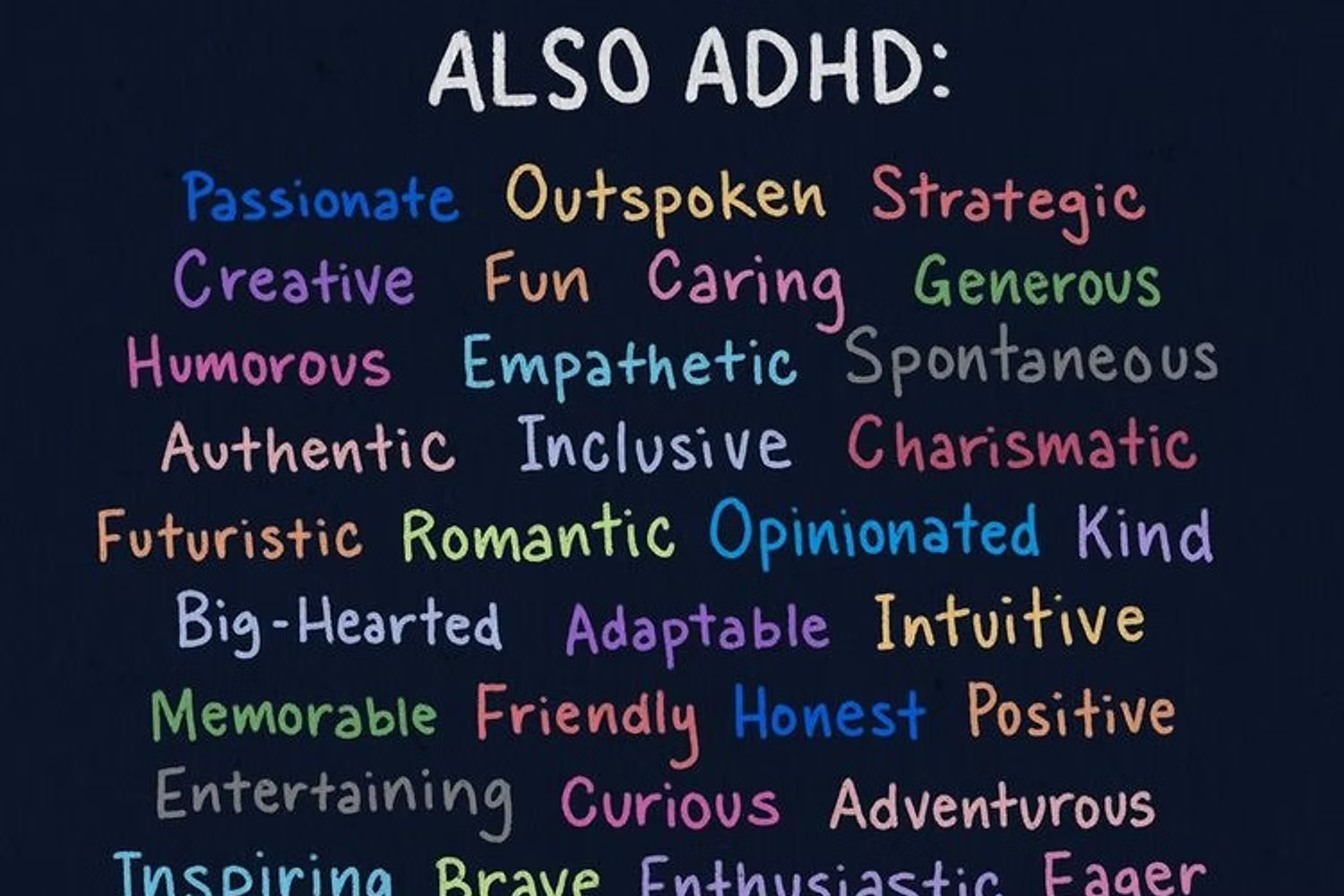
Emotions can be intense, unpredictable, and overwhelming—especially for neurodivergent people. If you’re autistic, have ADHD, sensory processing differences, or other neurodivergent traits, chances are you’ve been told you’re “too sensitive,” “overreacting,” or “dramatic.”
But the truth is: you’re not broken—your brain just processes the world differently.
Emotional regulation isn’t about “controlling” or hiding your feelings. It’s about understanding them, responding in ways that work for you, and building a life where your nervous system feels safe. Therapy can help get you there—without trying to change who you are.
Why Emotional Regulation Is Challenging for Neurodivergent People
Neurodivergent clients often face:
- Heightened emotional sensitivity (feeling everything a lot)
- Delayed emotional awareness (knowing something’s wrong, but not what)
- Executive dysfunction (hard to pause and think before reacting)
- Sensory overload, which fuels emotional overwhelm
- Masking and burnout, which disconnect you from your real feelings
In other words, neurodivergent brains may experience more emotion, process it differently, and struggle to express it in ways others expect.
How Therapy Can Help?
The right therapist won’t ask you to suppress who you are. Instead, they’ll guide you in building tools to:
- Recognise your emotions
- Understand what triggers them
- Respond in a way that’s aligned with your needs
- Recover when things feel out of control
Here’s how therapy can support each of these steps:
1. Naming Emotions in Your Language
Many neurodivergent people struggle with alexithymia—the difficulty identifying or describing feelings. Therapy can help by:
- Using visual aids (feeling charts, emotion wheels)
- Exploring body cues instead of words
- Building a custom emotional vocabulary that makes sense to you
👉 “I feel fuzzy and heavy” counts as emotional insight.
2. Understanding Triggers and Patterns
Therapy can help you recognise:
- Sensory triggers (e.g., loud noise, bright lights)
- Social stressors (e.g., group conversations, unpredictability)
- Internal cycles (e.g., rejection sensitivity, executive overload)
This isn’t about avoiding everything—it’s about predicting and preparing, so you feel more in control.
3. Practicing Self-Regulation Skills
With a therapist, you can learn to:
- Pause before reacting (using cues like STOP or grounding)
- Use stimming or movement to regulate
- Create sensory-friendly environments
- Build scripts for when you’re overwhelmed in social settings
These are not “neurotypical” coping tools—they’re your coping tools, tailored to your brain.
4. Rebuilding Self-Compassion
Many neurodivergent clients have internalised shame around their emotions. Therapy can help challenge beliefs like:
- “I’m too much”
- “I always mess things up”
- “I should be able to handle this”
Self-compassion becomes a skill—something you practice, not just “feel.”
5. Navigating Burnout and Meltdowns
Therapists can support you in:
- Recognising early signs of autistic burnout or emotional exhaustion
- Creating recovery plans
- Learning to communicate needs without guilt
- Building boundaries that protect your energy
Meltdowns and shutdowns aren’t failures. They’re signals. Therapy helps you decode them.
What Kind of Therapy Helps?
Look for:
Therapists trained in neurodiversity-affirming care
- Approaches like DBT, CBT, somatic therapy, or RO-DBT, when adapted properly
- People who respect stimming, nonverbal communication, and sensory needs
- Spaces where masking isn’t expected or encouraged
Therapy should feel like relief, not another place to pretend.
Final Thoughts: Emotional Regulation Isn’t About Being Less Sensitive
It’s about being more in tune with yourself.
It’s about giving your emotions space, then learning what they need.
It’s about thriving in a world that wasn’t built for your brain—but can still be shaped around it.
If emotions feel like too much, too fast, or too unclear—therapy might be the bridge to help you feel safer in your own skin.
You don’t need to be less you. You just need the right tools—and the right support.
I’d this has raised any issues for you, please feel free to get in touch. I offer a free 15-minute phone consultation, or if you would like to make an appointment for either a face to face or online counselling session whichever is convenient.