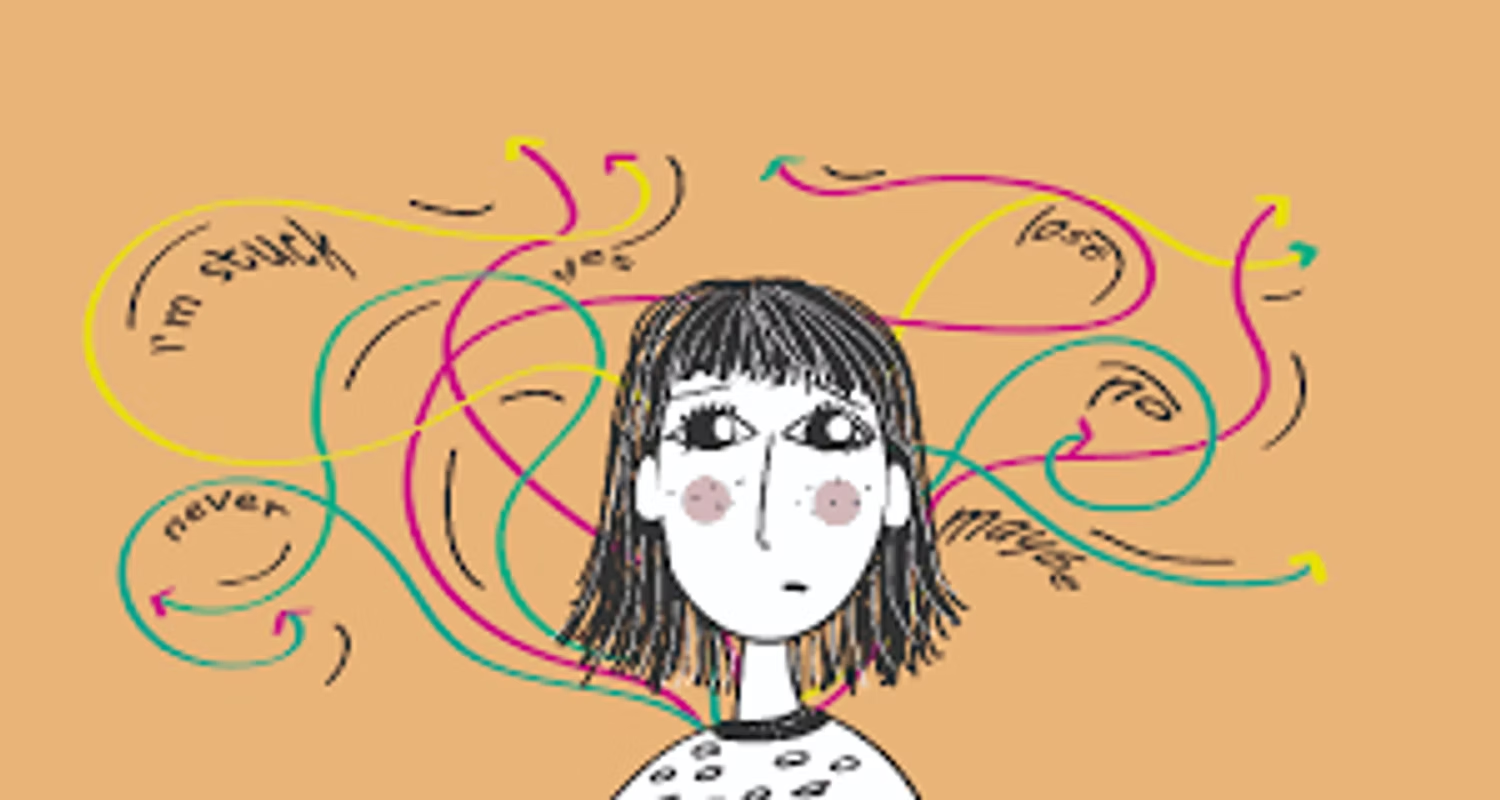
The problem isn’t that you’re “too much.” It’s that the relationship system isn’t built for your wiring.
Neurodivergent couples often arrive in therapy with the same painful loop: And the heartbreaking part? Both people are usually trying so hard. In many relationships,

Ritual in an ADHD + Autistic Relationship: The Structure That Makes Love Easier
Neurodiverse couples often have something powerful: depth, loyalty, honesty, humour, intensity, and a fierce desire to get it right. And they also often have something

When We “Hold” a Client’s Progress, We Also Hold Their Setbacks
Working with complex clients can quietly invite an understandable fantasy: If I get the formulation right, if I find the right modality, if I stay
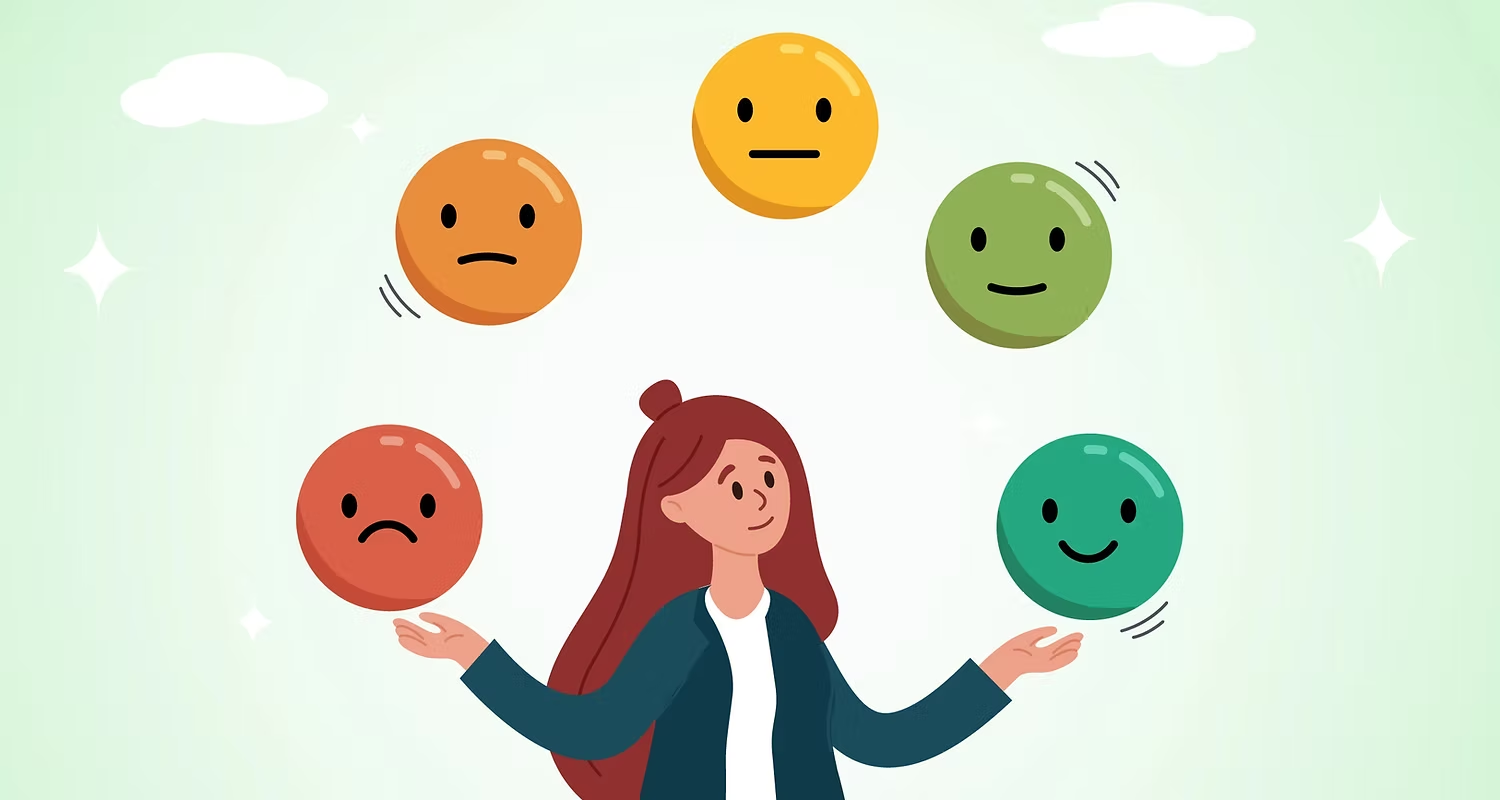
What Is Radically Open Dialectical Behaviour Therapy (RO-DBT)?
When most people hear “DBT” or Dialectical Behaviour Therapy, they think of emotional regulation, mindfulness, and treating conditions like borderline personality disorder. But there’s another

Pathological Demand Avoidance and its impact on Neurodivergent relationships
Relationships are complex at the best of times—but when one or both partners are neurodivergent, those dynamics can become even more layered. For some couples,

Healing Through the Eyes: Understanding EMDR Therapy
Trauma can leave a lasting imprint—not only in our memories but in our bodies, behaviours, and relationships. While talking therapies can offer relief and insight,

Why Friendship Is the Foundation of a Strong Romantic Relationship
When people think about what makes a romantic relationship successful, words like chemistry, passion, and attraction often come to mind. While these aspects can spark
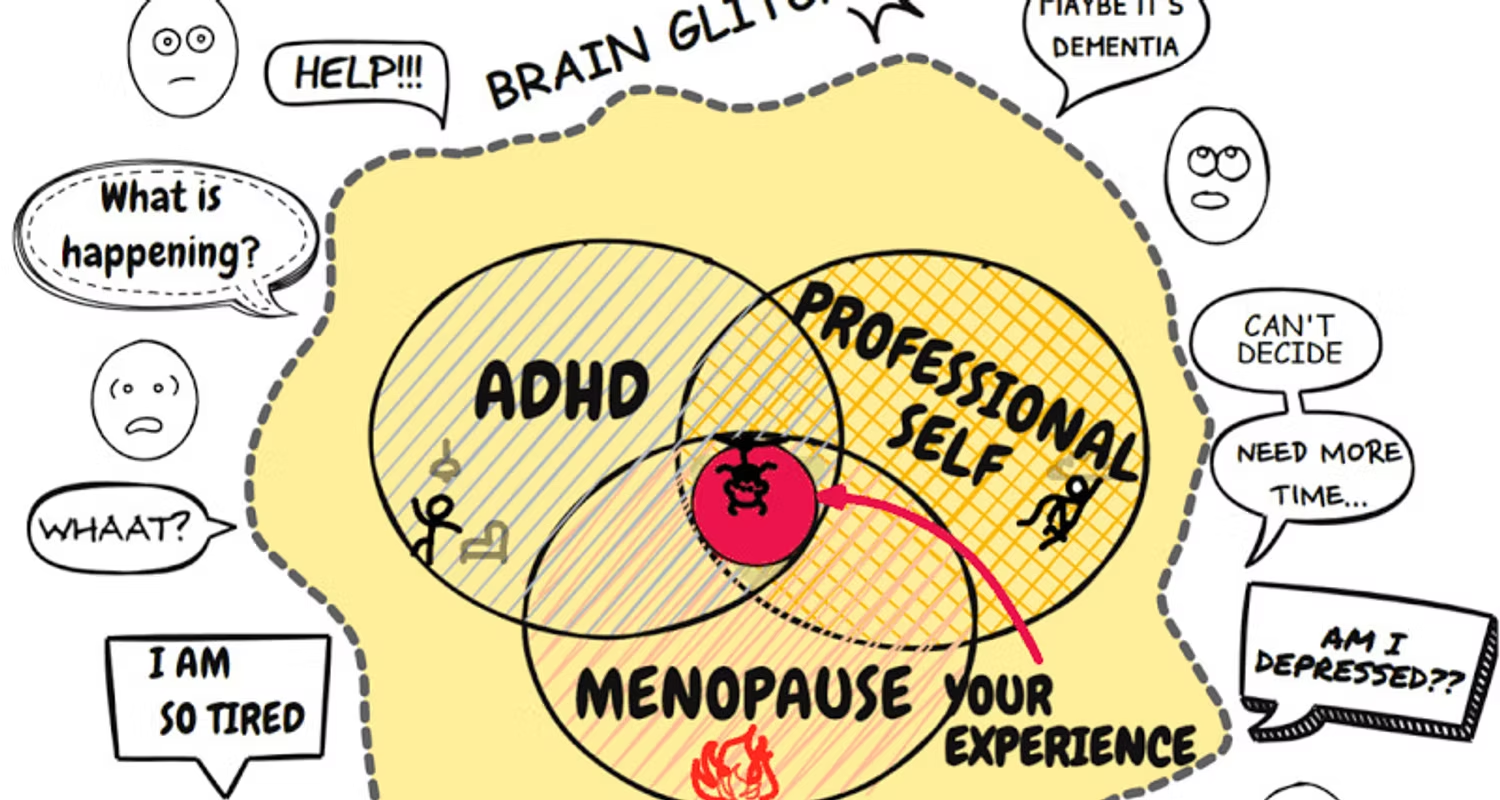
The Overlap: Why ADHD Symptoms Can Worsen During Menopause
ADHD is a neurodevelopmental condition that affects attention, executive function, emotional regulation, and impulse control. In women, it often goes undiagnosed until later in life,
How Therapy Can Help Neurodivergent Clients With Emotional Regulation
Emotions can be intense, unpredictable, and overwhelming—especially for neurodivergent people. If you’re autistic, have ADHD, sensory processing differences, or other neurodivergent traits, chances are you’ve