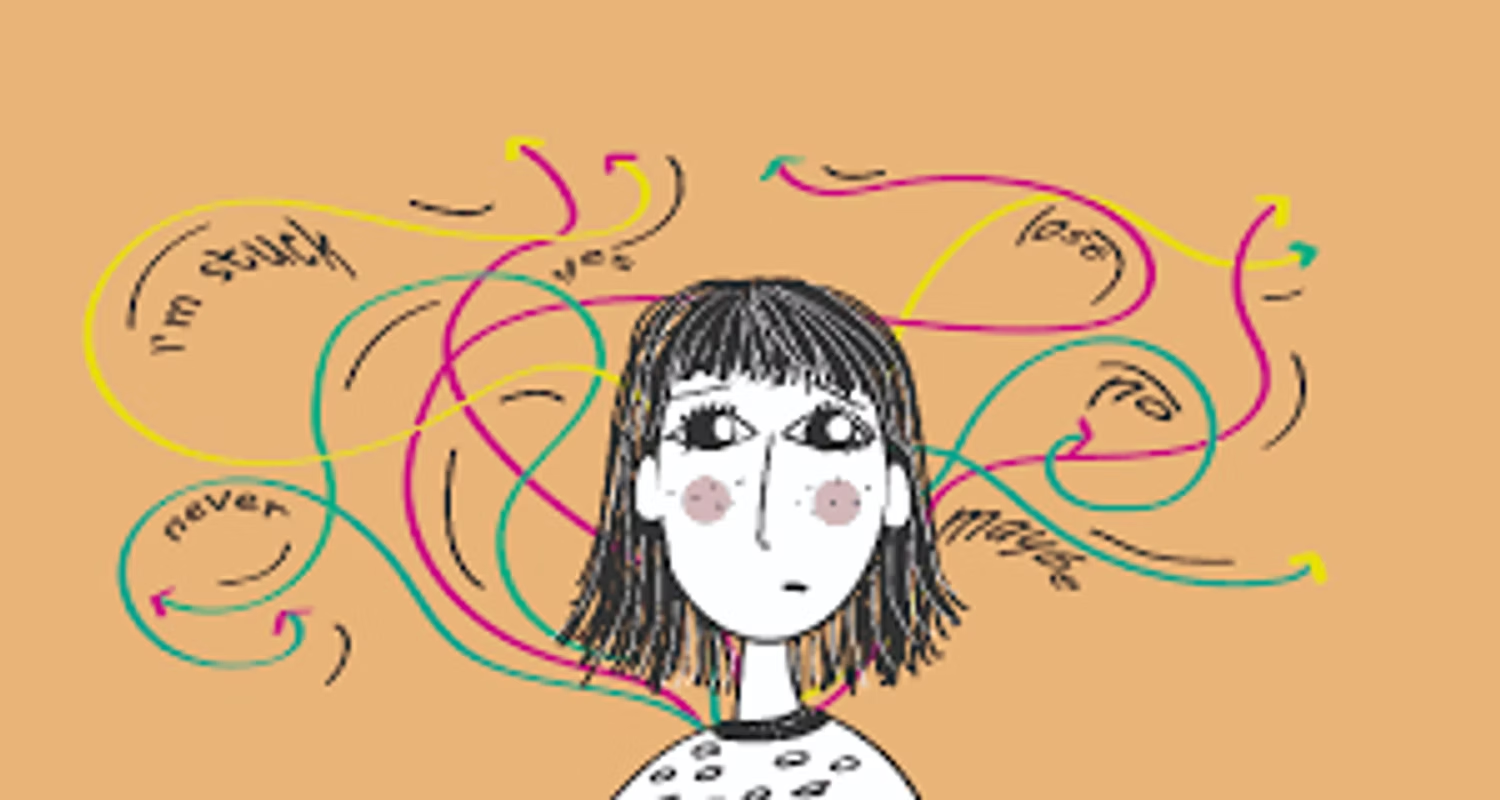

When most people hear “DBT” or Dialectical Behaviour Therapy, they think of emotional regulation, mindfulness, and treating conditions like borderline personality disorder. But there’s another lesser-known, yet powerful form of DBT: Radically Open Dialectical Behaviour Therapy (RO-DBT). And it’s designed for a very different kind of emotional struggle—over-control.
The Problem of Over-control
Whereas traditional DBT is aimed at those who experience emotional under-control—think impulsivity, mood swings, or intense reactivity—RO-DBT is specifically created for individuals who struggle with excessive self-control.
People with over-controlled temperaments often:
- Appear emotionally restrained or distant
- Value order, rules, and perfectionism
- Struggle with flexibility or adapting to change
- Avoid expressing vulnerability
- Experience chronic loneliness or social disconnection
Over-control is common in conditions like:
- Anorexia Nervosa
- Obsessive-Compulsive Personality Disorder (OCPD)
- Chronic Depression
- Autism Spectrum Conditions (especially in highly masked presentations)
- Treatment-resistant anxiety
What Makes RO-DBT Different?
Radically Open DBT shifts the focus from controlling emotions to opening up, connecting, and being socially authentic.
Key Principles of RO-DBT:
- Radical openness: Learning to be receptive to feedback, uncertainty, and emotional expression—even when it feels risky.
- Social signalling: Emphasising facial expressions, gestures, and tone to promote connection and trust.
- Self-enquiry: Cultivating curiosity about one’s own behaviours, judgments, and rigid patterns.
- Flexibility over perfection: Encouraging experimentation and letting go of rigid control strategies that no longer serve you.
Structure of Treatment:
RO-DBT typically includes:
- Individual therapy sessions
- Skills training classes, similar to traditional DBT, but focused on openness, connection, and flexibility
- Homework and practice, including social experiments and mindfulness
Why Radical Openness Matters
Research has shown that people who struggle with over-control often feel profoundly isolated—not because they don’t want relationships, but because their coping mechanisms (e.g., perfectionism, inhibition, emotional suppression) unintentionally push others away. RO-DBT directly targets this pattern by helping individuals learn how to connect more freely and authentically.
Is RO-DBT Right for You?
You might benefit from RO-DBT if you:
- Feel stuck in therapy, despite trying many approaches
- Struggle to form or maintain close relationships
- Have been described as “too hard on yourself” or “rigid”
- Often feel misunderstood or lonely, even when doing everything “right”
Final Thoughts
Radically Open Dialectical Behaviour Therapy offers a powerful and compassionate new lens for understanding emotional suffering—not just as a lack of control, but sometimes as too much of it. If you’ve spent your life holding everything together but still feel disconnected or unfulfilled, RO-DBT might be the invitation to openness and connection you’ve been waiting for.
If this has raised any issues for you, please feel free to get in touch. We offer a free 15-minute phone consultation, or if you would like to make an appointment for either a face to face or online counselling session whichever is convenient.